
Morbi in Gujarat is India’s largest ceramic tile cluster. In 2026, a conflict thousands of kilometres away in West Asia reached its factories directly. This article explains how, using published reports, and what it means if you are buying tiles.
Why gas matters to a tile factory
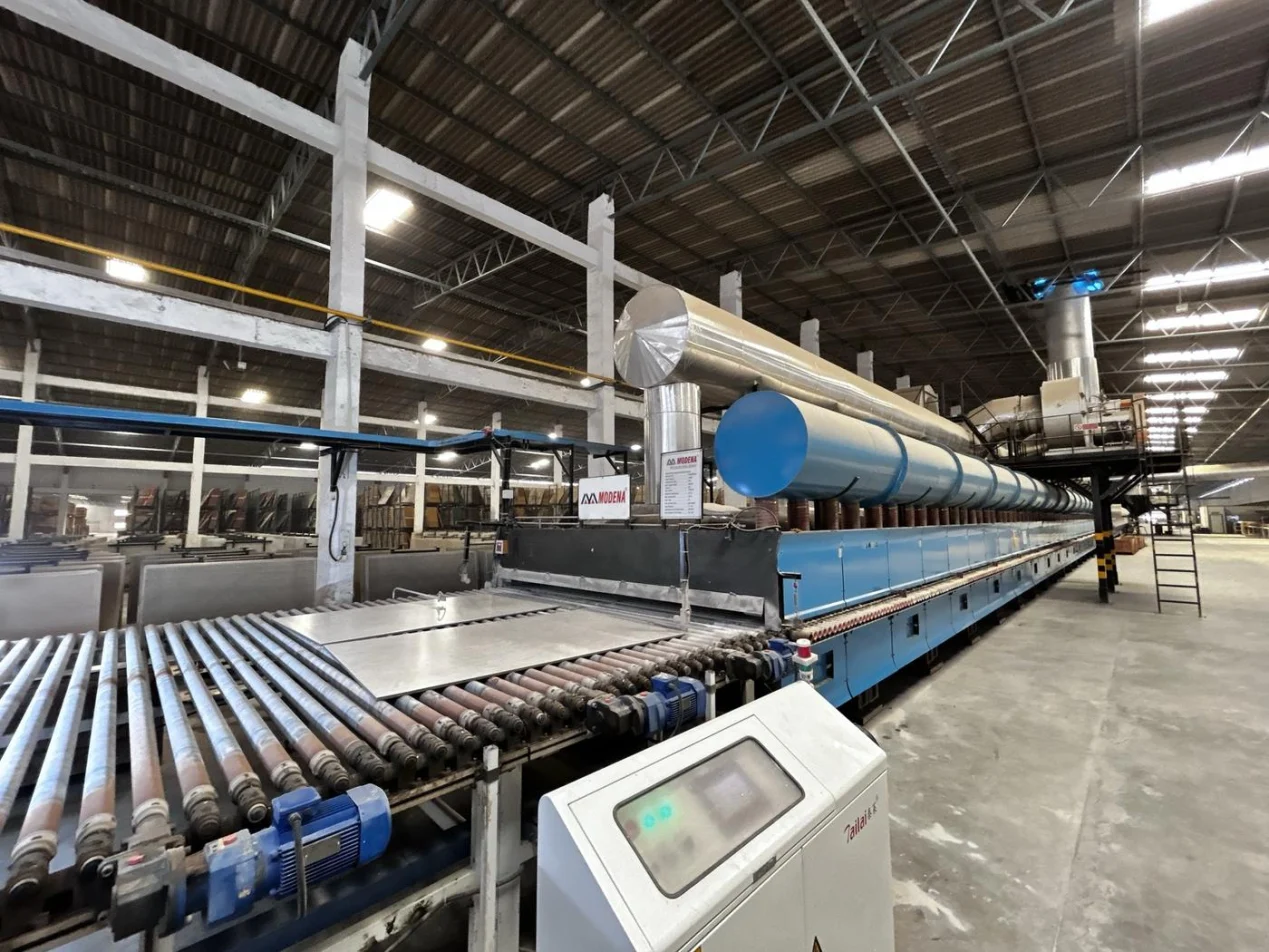
Tile kilns and spray dryers run on natural gas. Fuel is one of the largest costs in making a tile, and a kiln cannot simply be switched off and on: it needs a steady supply to fire consistently.
A large share of India’s gas arrives as LNG by sea, much of it through the Strait of Hormuz. When the conflict disrupted shipping through that route, the gas available to Indian industry fell.
What happened in Morbi
- Gas supply was cut. Reports described supply to Morbi units falling by around half in some cases.
- Factories shut down. Coverage reported that most Morbi factories closed for weeks; one analyst note put temporary shutdowns at around 62% of units. The cluster employs about 400,000 people.
- Factories restarted. Production resumed after roughly two months, following a government increase in natural gas allocation on 8 April 2026.
- Gas became more expensive. In September 2026, Gujarat Gas raised the price of gas supplied to Morbi from ₹43.40 to ₹46.05 per standard cubic metre.
What happened to prices
Higher fuel costs flowed into tile prices. Industry reports said Morbi manufacturers revised prices by 15–20%, followed by a further increase of ₹3 per square foot for GVT and vitrified tiles from 1 June 2026, and up to ₹30 per box for wall tiles.
Exports and freight
The Middle East is one of the most important export markets for Indian tiles; one analysis estimates it takes around a quarter of India’s ceramic tile exports. The same disruption that affected gas also affected shipping in the region, with reports of higher freight rates and container shortages. Export figures quoted in the media vary widely, so treat any single number with care.
What this means for buyers
- Plan earlier. Lead times can stretch when supply is tight, so place orders for projects with some margin.
- Check quotation validity. When fuel and freight costs move, ask how long a quoted price holds.
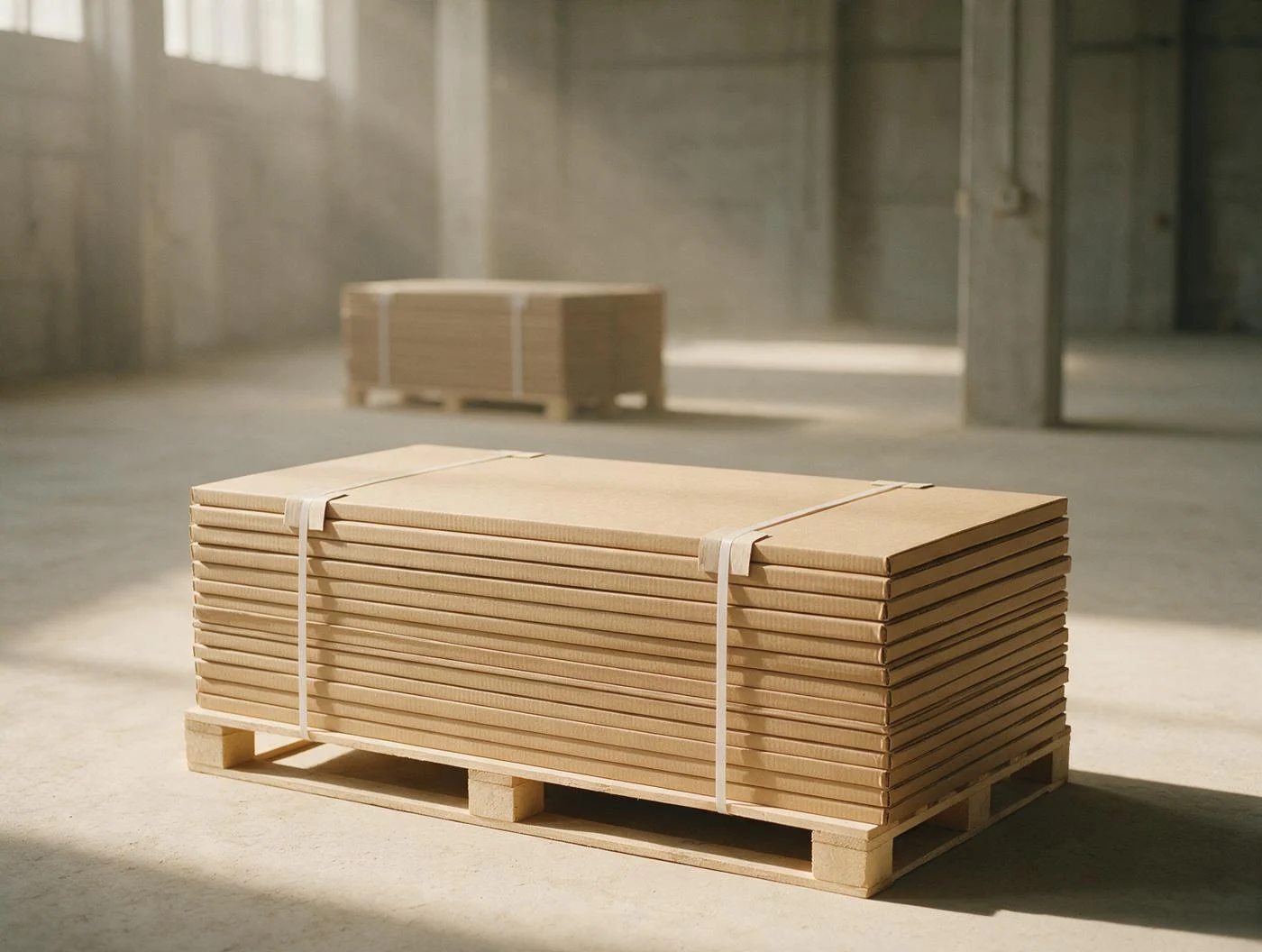
- Plan full containers. For export, a full 20 ft container of 600 × 1200 mm tiles carries 1,072 boxes (1,543.68 m²) with mixed pallets, which keeps freight cost per square metre down. See export for how orders are planned.
- Ask for the whole picture. A good supplier can share packing data, a loading plan and a quotation together.
Candy Granito makes 600 × 1200 mm GVT tiles in Morbi and exports to any country. For current prices and availability, contact the team.
Sources
- BBC, via AOL: “India’s ceramic hub grinds to a halt as Iran war chokes gas supply” (aol.com)
- SME Futures: “Morbi kilns went cold: West Asia war hits India’s tiles and ceramics industry” (smefutures.com)
- Indian Ceramic News: “Tiles prices to rise again by 10% to 20% from June 1” (indianceramicnews.com)
- Whalesbook: “Morbi ceramic hub restarts after fuel crisis” (whalesbook.com)
- PL Capital sector update via Investment Guru India: “Ceramic tiles: geopolitical headwind, export-driven tailwinds” (investmentguruindia.com)
Figures are taken from the reports above as published in 2026 and may since have changed.