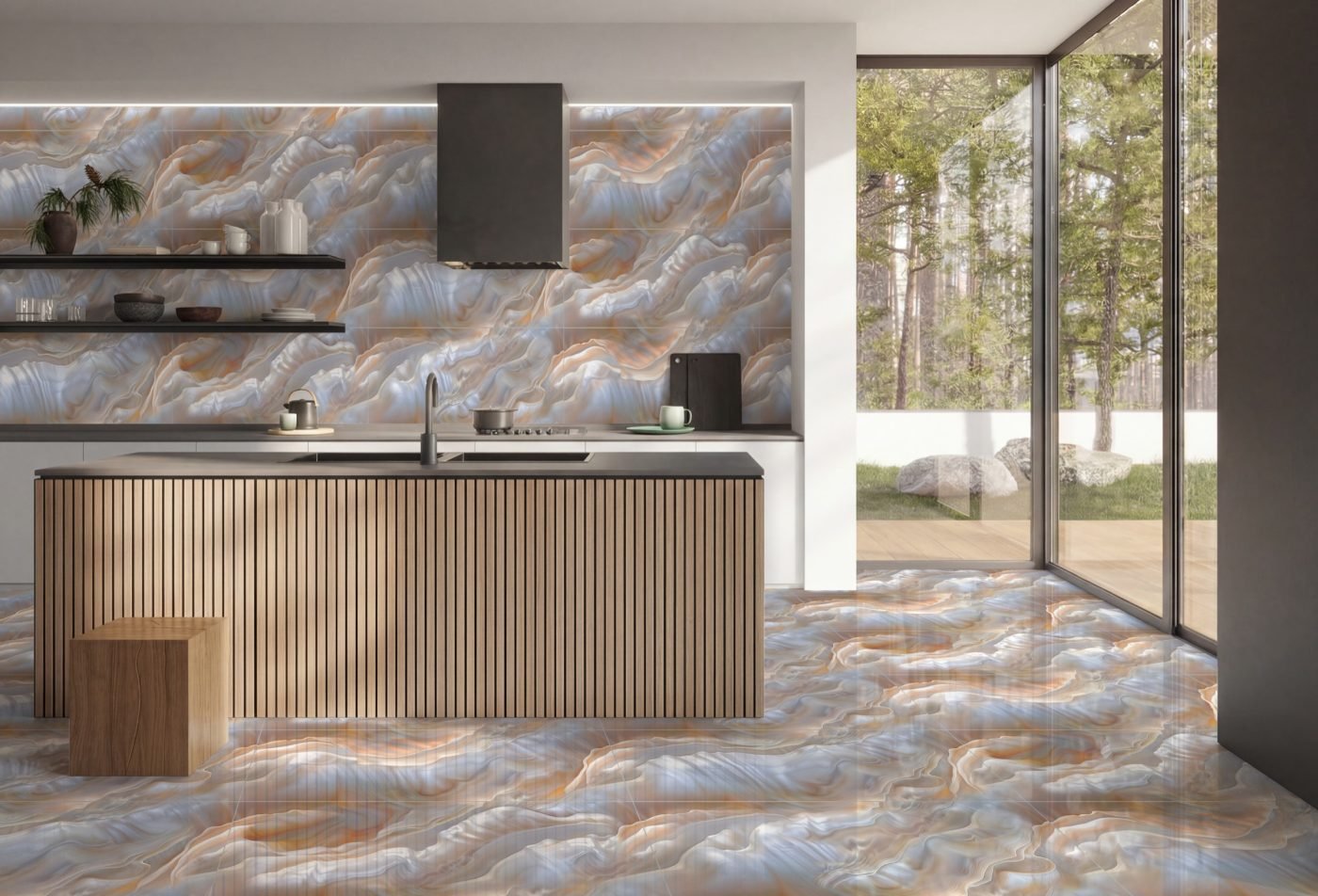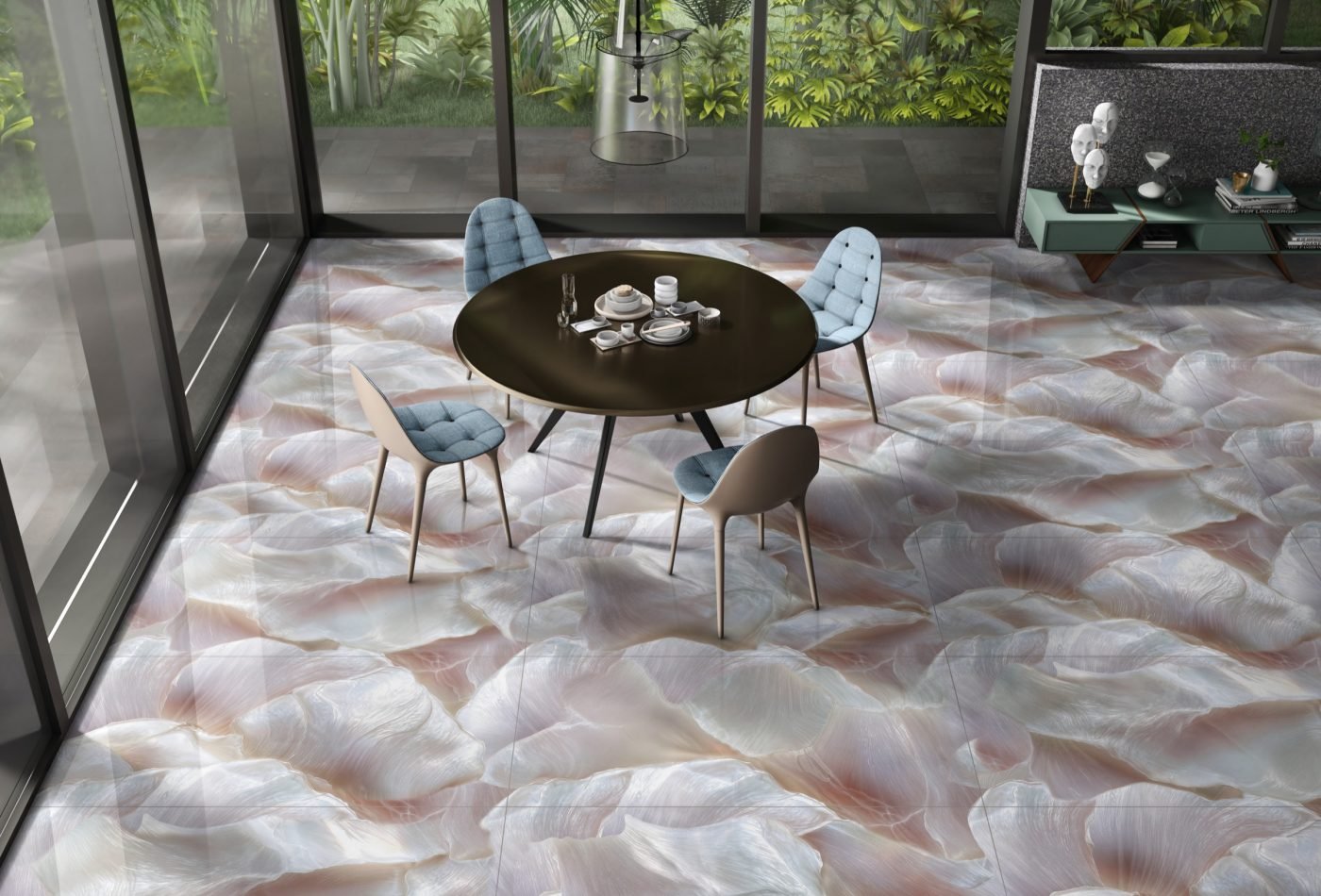

A finished tile looks simple: a flat, hard, beautiful surface. Behind it is a long production line that turns powdered earth into something harder than most natural stone. This is how a 600 × 1200 mm glazed vitrified tile (GVT) is made at a plant like Candy Granito’s in Morbi, Gujarat.
1. Raw material
The body starts as a blend of clays, feldspar and quartz or silica sand. Clay gives plasticity, feldspar melts in the kiln and binds the body, and quartz gives strength and stability. The materials are weighed to a recipe, mixed with water and ground into a fine slurry.
2. Spray drying
The slurry is sprayed into a tall hot-air dryer, where it falls as a fine, even powder with just enough moisture to press well.
3. Pressing
The powder is spread into a mould and pressed by a large hydraulic press into the 600 × 1200 mm shape. At Candy, the press, moulds and dryer are set for this single 1:2 proportion, which keeps thickness and flatness consistent from tile to tile.
4. Drying and glazing
The pressed tile is dried to remove the remaining moisture, then a base glaze is applied to its face.
5. Digital printing
High-definition inkjet printers lay the design across the full face: veining, pearl effects or stone textures. Because the print covers the whole surface, movement can continue across neighbouring tiles without an obvious repeat. Finishing glazes then set the final look, from high gloss to matt, carving and sugar textures.
6. Firing
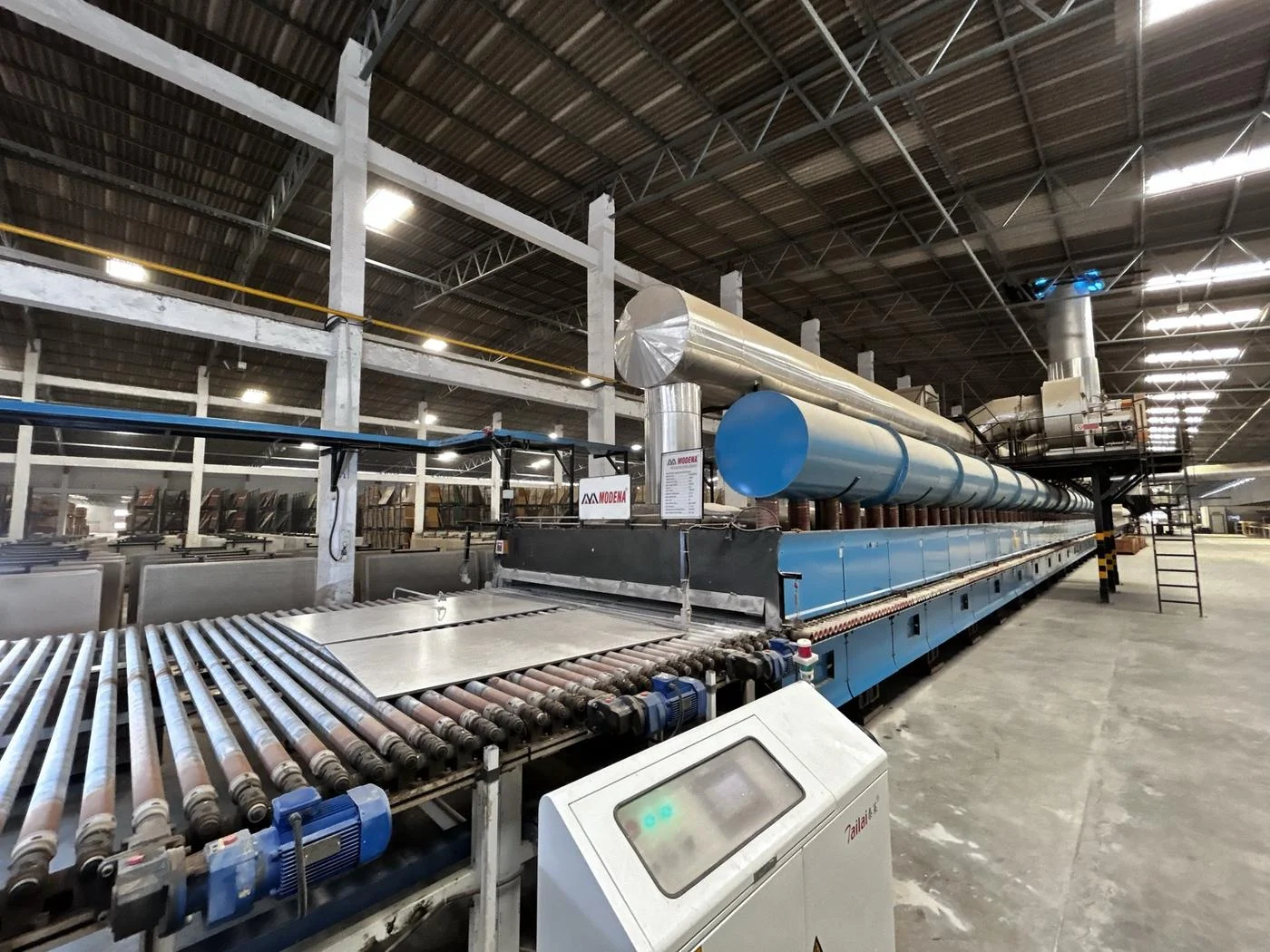
The tiles travel through a long roller kiln. Over a long firing cycle the body fuses into dense vitrified ceramic with very low water absorption, and the glaze bonds permanently to it.
7. Rectification
After firing, the edges are ground square by diamond wheels. Rectified edges let tiles be laid with narrow grout joints (one reason large format tiles look so seamless), so a floor reads as one continuous surface. Size and squareness are checked after this step.
8. Inspection
Every face is inspected for shade, size and surface quality. Faces are checked under raking light, which shows up faults the eye would miss in normal light.
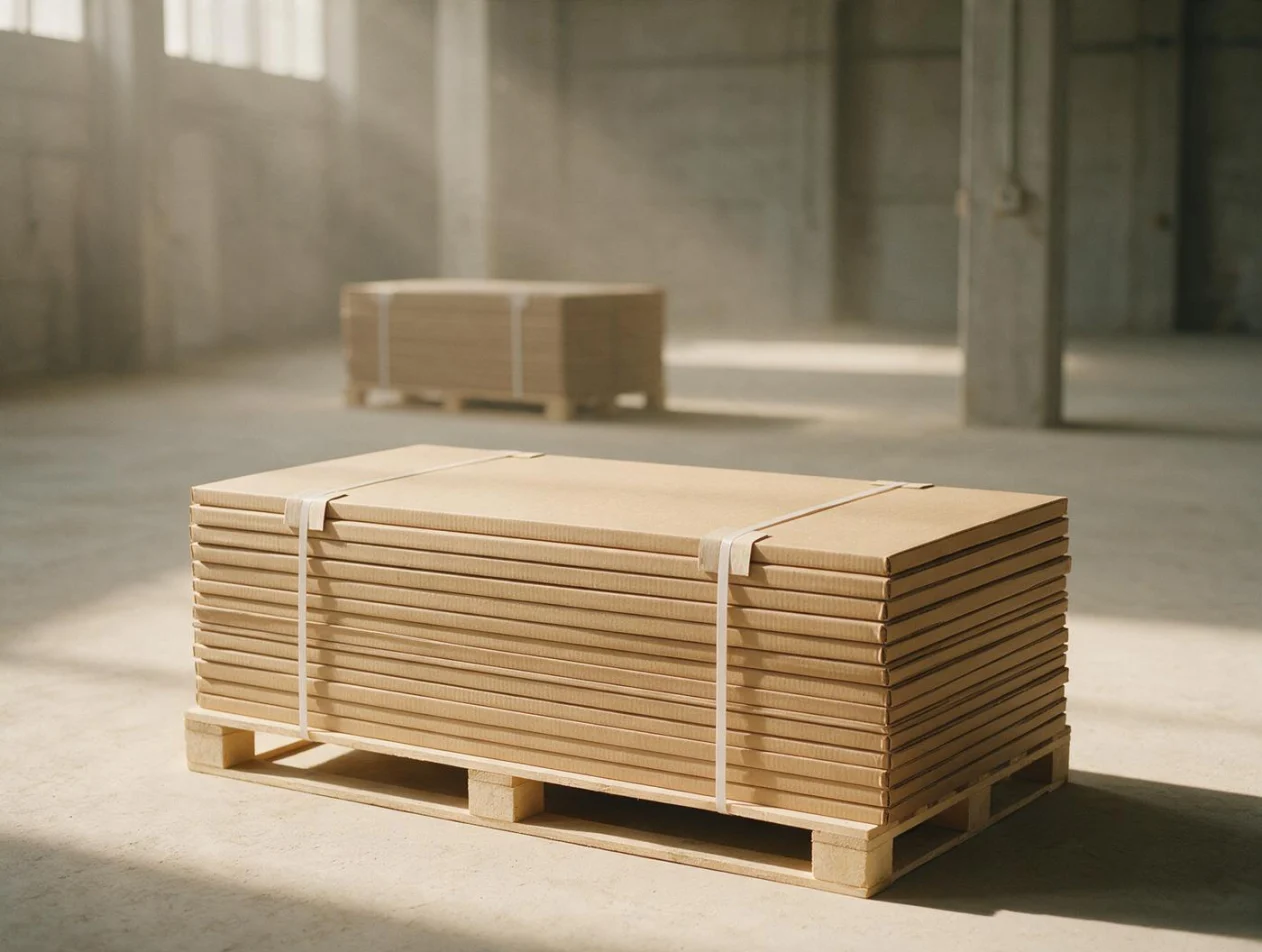
9. Packing
Tiles are boxed two to a box (1.44 m², about 28 kg), stacked on pallets and loaded for dispatch. Full packing data is on the technical information page. A 20 ft container carries 1,072 boxes with mixed pallets, or 1,054 boxes with small pallets.
Running around the clock
A kiln is most consistent when it never stops. Candy Granito’s line runs 24 hours a day, 365 days a year, with a capacity of 30,000 boxes a day. Visitors can see the process and the finished surfaces at the factory display in Morbi by appointment: book a visit.